Wedding guest
-

Handloom Sarees
Handloom Sarees - Embrace timeless elegance with authentic pure handloom sarees from...
-

Jamdani Sarees
Jamdani Saree is one of the finest handwoven silk patterned saree of...


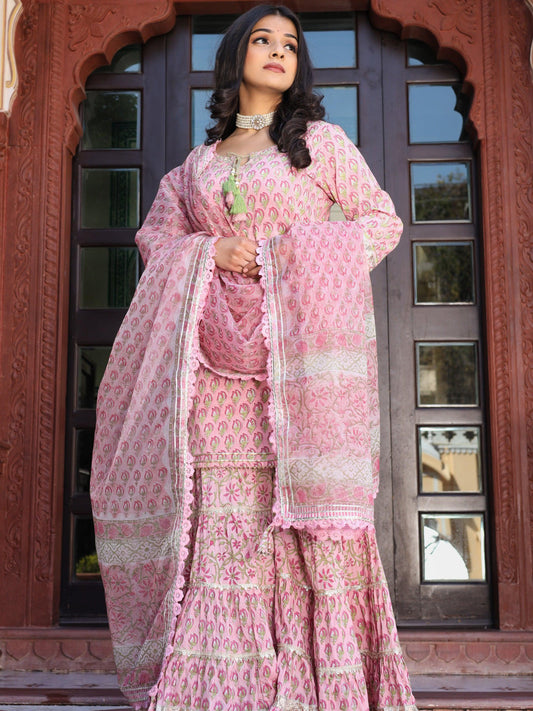
Collection: Wedding guest

Wedding guests for Indian marriages
-
Red Hand Painted Organza Flared Lehenga Choli Set with Organza Dupatta
Regular price Rs. 5,639.00 INRRegular priceRs. 11,999.00 INRSale price Rs. 5,639.00 INRSale -
Blue Floral Hand Painted Lehenga & Blouse With Dupatta
Regular price From Rs. 6,391.00 INRRegular priceRs. 13,599.00 INRSale price From Rs. 6,391.00 INRSale -
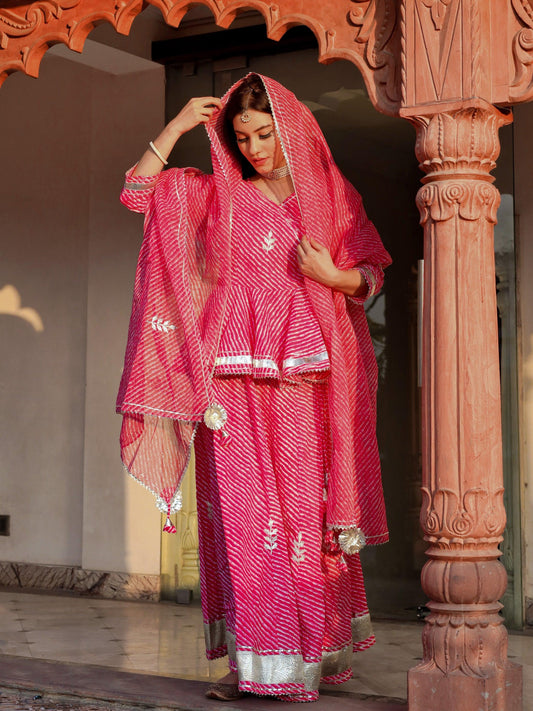
Pink Lehriya lehenga dupatta set
Regular price From Rs. 3,977.00 INRRegular priceRs. 6,999.00 INRSale price From Rs. 3,977.00 INRSale -
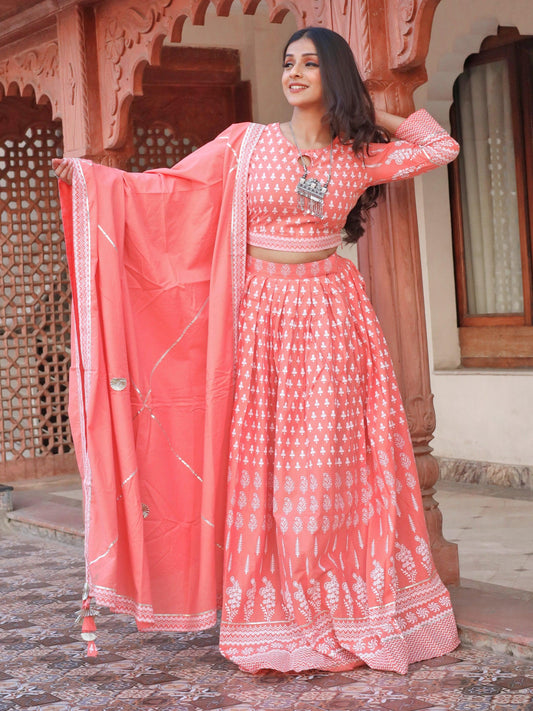
Pink Printed Crop Top, lehenga with Dupatta set
Regular price From Rs. 2,849.00 INRRegular priceRs. 4,999.00 INRSale price From Rs. 2,849.00 INRSale -
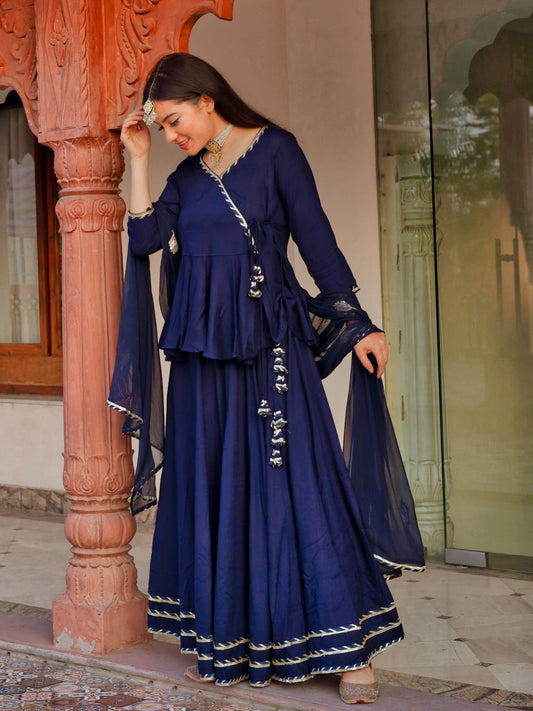
Navy Blue Embroidered lehenga dupatta set
Regular price From Rs. 3,977.00 INRRegular priceRs. 6,999.00 INRSale price From Rs. 3,977.00 INRSale -
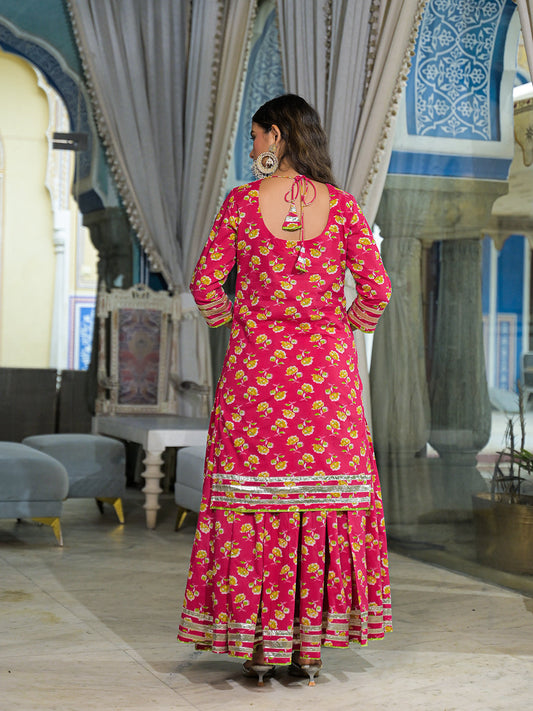
Pink Cotton Kurti Lehenga Sets With Dupatta
Regular price Rs. 4,999.00 INRRegular priceRs. 9,999.00 INRSale price Rs. 4,999.00 INRSale -
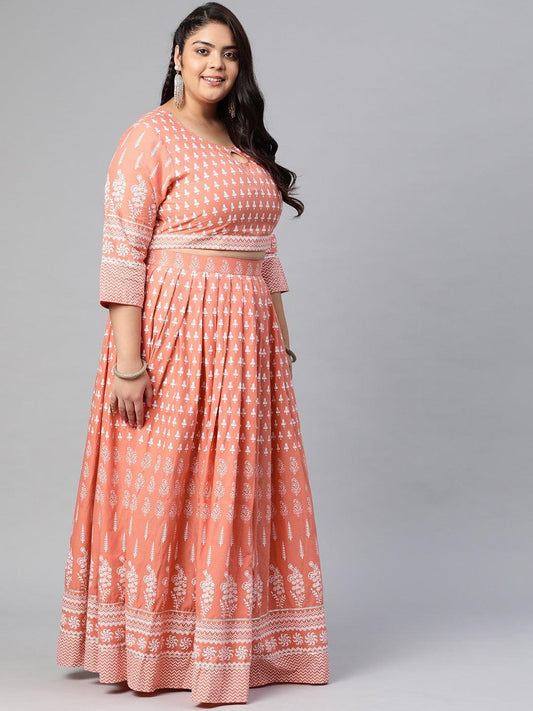
Plus Size Pink Printed Crop Top, lehenga with Dupatta set
Regular price Rs. 2,537.00 INRRegular priceRs. 5,399.00 INRSale price Rs. 2,537.00 INRSale -
Green Cotton Kurti Lehenga Sets With Dupatta
Regular price Rs. 4,999.00 INRRegular priceRs. 9,999.00 INRSale price Rs. 4,999.00 INRSale -
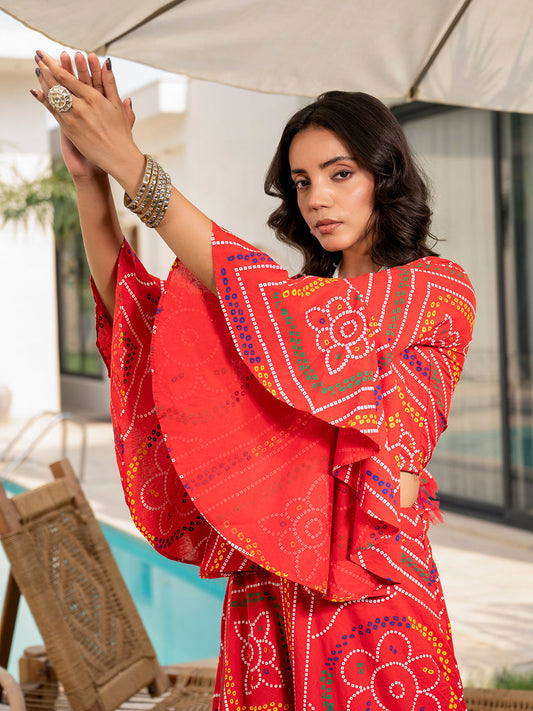
Bandhani Printed Cotton Lehenga & Blouse With Dupatta
Regular price Rs. 7,499.00 INRRegular priceRs. 14,999.00 INRSale price Rs. 7,499.00 INRSale -
maroon Cotton Kurta palazzo set with net dupatta
Regular price Rs. 2,849.00 INRRegular priceRs. 4,999.00 INRSale price Rs. 2,849.00 INRSale -
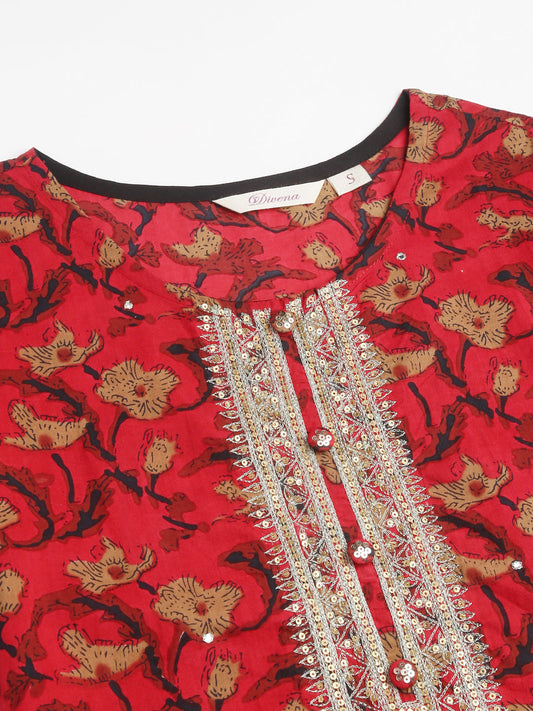
Red Cotton Dabu Printed Kurta Sharara Set with Kota Doria Dupatta
Regular price Rs. 3,195.00 INRRegular priceRs. 6,799.00 INRSale price Rs. 3,195.00 INRSale -
Indigo Cotton Short kurti Sharara set with Dupatta
Regular price Rs. 4,259.00 INRRegular priceRs. 7,999.00 INRSale price Rs. 4,259.00 INRSale -
Black Gold Printed Cotton Kurta Sharara Set with Dupatta
Regular price Rs. 2,443.00 INRRegular priceRs. 5,199.00 INRSale price Rs. 2,443.00 INRSale -
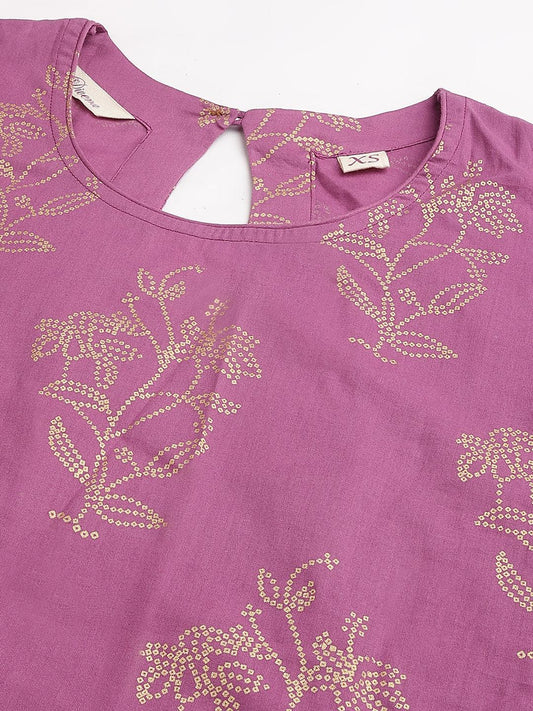
Purple Foil Print Cotton Sharara Set with Dupatta
Regular price Rs. 2,349.00 INRRegular priceRs. 4,999.00 INRSale price Rs. 2,349.00 INRSale -
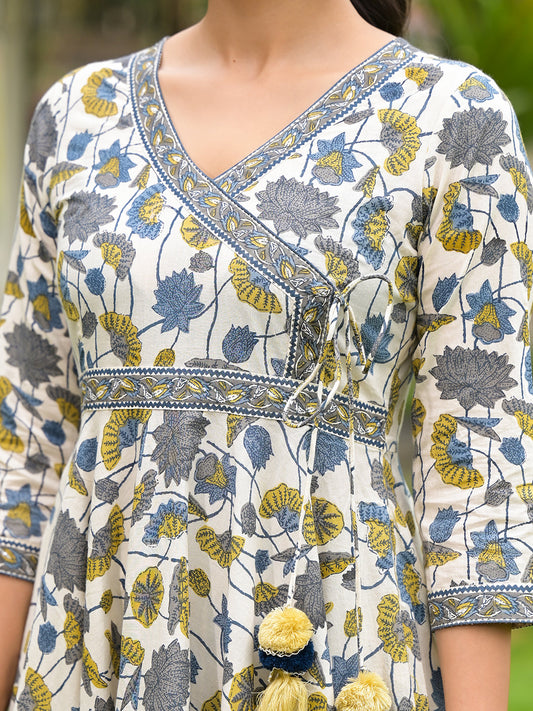
offWhite Floral Print Cotton Kurta Sharara set for women
Regular price From Rs. 2,819.00 INRRegular priceRs. 5,999.00 INRSale price From Rs. 2,819.00 INRSale -
Maroon & Blue Anarkali Kurta Sharara Set with Dupatta
Regular price From Rs. 3,759.00 INRRegular priceRs. 7,999.00 INRSale price From Rs. 3,759.00 INRSale -
Turquoise Blue Cotton Sleeves less Anarkali Sharara set with Dupatta
Regular price Rs. 3,759.00 INRRegular priceRs. 7,999.00 INRSale price Rs. 3,759.00 INRSale -
Pink Cotton Sleeves less Anarkali Sharara set with Dupatta
Regular price From Rs. 4,229.00 INRRegular priceRs. 8,999.00 INRSale price From Rs. 4,229.00 INRSale -
Printred Cotton Kurta Set With Dupatta
Regular price Rs. 2,349.00 INRRegular priceRs. 4,999.00 INRSale price Rs. 2,349.00 INRSale -
Pink Floral Hand Block Printed Kurta Sharara Set with Dupatta
Regular price Rs. 5,545.00 INRRegular priceRs. 11,799.00 INRSale price Rs. 5,545.00 INRSale -
Red & White Cotton Dabu Printed Kurta Sharara Set with Kota Doria Dupatta
Regular price Rs. 2,725.00 INRRegular priceRs. 5,799.00 INRSale price Rs. 2,725.00 INRSale -
White Floral Print Pure Cotton Kurta Sharara Set for Women
Regular price Rs. 4,511.00 INRRegular priceRs. 9,599.00 INRSale price Rs. 4,511.00 INRSale -
Floral Printed Cotton Kurta Set
Regular price Rs. 1,879.00 INRRegular priceRs. 3,999.00 INRSale price Rs. 1,879.00 INRSale -
Yellow Rayon Printed Kurta Set
Regular price From Rs. 1,691.00 INRRegular priceRs. 3,599.00 INRSale price From Rs. 1,691.00 INRSale